

Shipping delays and damaged goods are generally the result of improper packaging. Businesses are under constant pressure to deliver faster without inflating costs. One practical way to achieve this balance is by upgrading how packages are made. The quickest way to improve void fill in weeks is by refining methods that keep products secure while reducing excess material.
Here are the strategies that can make a measurable difference.
1. Reassess Packaging Materials
Before diving into new systems, take a closer look at the materials being used. Many warehouses still rely on outdated or bulky fillers, which consume space and increase shipping costs. Switching to lightweight alternatives ensures packages are better protected without adding unnecessary bulk. Selecting the right type of void fill can reduce customer complaints and make handling easier.
2. Standardise Box Sizes
Mismatches between product size and packaging create unnecessary gaps. Businesses can reduce waste and keep material use consistent by standardising box sizes. This strategy not only saves costs but also makes staff training easier, as fewer packaging variants need to be understood. A smaller inventory of boxes also means less confusion during peak fulfilment hours.
3. Introduce Smart Equipment Gradually
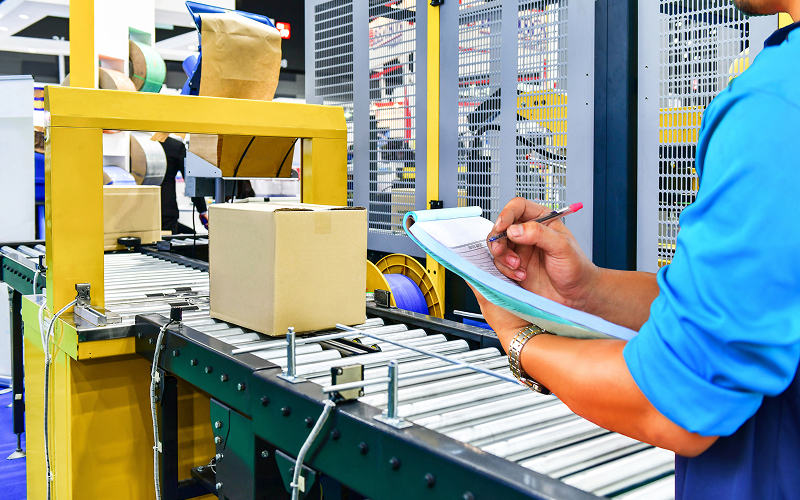
Investing in technology does not mean overhauling everything at once. Start by identifying the highest-volume packaging areas and placing equipment there. Automated packaging machines, for example, can handle repetitive tasks more efficiently than manual labour. They reduce inconsistencies, speed up sealing, and ensure filler is used in the right quantity. Even one or two machines can transform workflow if deployed strategically.
4. Train Staff on Updated Methods
No packaging upgrade works without proper staff involvement. Teams need to understand why changes are made and how they affect day-to-day processes. Simple training sessions on improved filler utilisation can minimise overpacking practices that discreetly increase costs. When employees see how streamlined systems reduce rework, they are more likely to adopt them fully.
5. Use Data to Track Improvements
Warehouses generate data every day, from damaged returns to shipping weights. Turning these figures into insights helps businesses identify where packaging is falling short. By comparing performance before and after new fillers or equipment are introduced, managers can clearly justify changes. Data tracking also supports future investment decisions in areas like automated packaging.
6. Cut Down Excess Packaging Layers
Many businesses overcompensate by adding multiple layers of protective material. While it may seem safer, it often wastes filler and frustrates customers who must wrestle through packaging. Striking a balance between protection and minimalism ensures efficiency without compromising safety. Once again, the right void fill makes it easier to keep packages secure without going overboard.
7. Improve Warehouse Layout
Sometimes inefficiency lies not in the packaging itself but in the physical setup of the workspace. Placing filler materials and packaging machines too far from picking stations leads to wasted time. A redesigned layout, where supplies are closer to where items are packed, speeds up the entire process. Small adjustments in positioning can have a big impact on overall throughput.
8. Review Supplier Contracts
If packaging costs are rising, the supplier might be part of the problem. Review contracts regularly to check if bulk discounts or newer filler options are available. Suppliers often introduce sustainable alternatives that reduce costs and appeal to environmentally conscious customers. Staying updated helps businesses avoid being locked into less efficient arrangements.
Improving packaging does not require massive changes stretched over months. Simple actions like selecting efficient void fill, training employees, and restructuring procedures can produce visible results in weeks. Automated packaging can then take these gains further by handling volume with consistency and speed. Together, these strategies keep costs in check, reduce waste, and create a smoother fulfilment process.
Contact Sunstream Industries to explore solutions that streamline your packaging systems today.
