
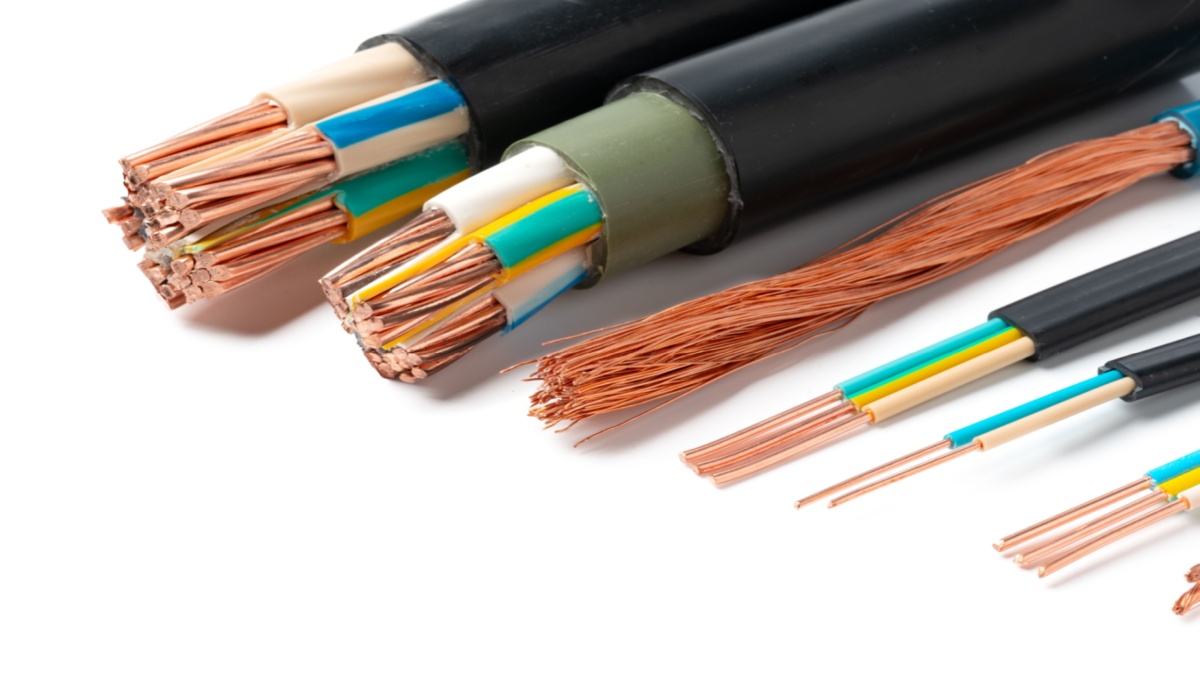

India’s electrical manufacturing sector contains hundreds of cable and wire harness producers operating across varying quality tiers, from ISO-certified facilities serving multinational OEMs to unorganised workshops assembling commodity products for price-sensitive local markets without meaningful quality control or testing infrastructure. Ranking manufacturers requires evaluating production capability rather than marketing claims. Revenue numbers mean nothing. Process control means everything. The distinction between companies that maintain consistent specifications across production batches and those that adjust quality based on order value determines long-term supply reliability for serious buyers.
What Separates Tier One Operations
Manufacturing facilities operating multiple production lines across geographically distributed plants indicate scale and specialisation that single-location operations cannot match for logistics flexibility and risk mitigation when serving customers across different regions with varying lead time requirements and technical specifications. Multi-plant operations cost considerably more to establish and manage than concentrated manufacturing. Companies make that investment for strategic reasons. Nisan Cords operates three facilities in Maharashtra—two plants in Kolhapur handling different product lines and one modern facility in Pune for specialised manufacturing—demonstrating distributed capability rather than putting all production capacity in one location subject to regional disruptions or single-point failures.
ISO 9001:2015 certification indicates documented quality management systems subject to external audit, but certification alone provides no insight into whether manufacturers actually follow documented procedures during normal production or only during surveillance visits when auditors examine records and observe carefully staged operations. The batch of wire assemblies were sent back because crimp quality failed pull-force testing despite the supplier holding valid ISO certification. Documentation does not equal execution. Top 10 cable manufacturers in India demonstrate quality through client retention metrics and OEM relationships lasting years rather than through certificate collections displayed in reception areas for visitor impression management.
Production Infrastructure Investment Reveals Intent
Computer-aided design systems for product development and harness layout generation represent significant capital expenditure that only justifies itself when utilised regularly for engineering work rather than maintained primarily for marketing purposes during customer facility tours. CAD infrastructure costs money upfront. It saves multiples downstream. Manufacturers investing in design capability before production equipment understand that quality gets built into specifications rather than inspected into finished goods after manufacturing errors have already been created through inadequate engineering definition or installation documentation.
In-house testing laboratories equipped with calibrated measurement equipment for electrical parameter verification, mechanical property testing, and environmental qualification indicate commitment to process control beyond just meeting certification requirements for initial product approval. Testing infrastructure represents fixed costs that generate value only when used continuously for incoming material inspection and in-process verification rather than sitting idle between customer audits. Active quality control costs money. Reactive warranty management costs more.
Client Base Composition Matters More Than Size
Manufacturers supplying established OEM customers face performance requirements exceeding BIS minimum standards because branded product manufacturers cannot afford field failures that damage reputation built over decades of market presence. Top 10 wire harness manufacturers in India earn preferred supplier status through sustained delivery of specification-compliant products rather than through one-time qualification exercises that examine capability without proving consistency. OEM relationships require ongoing performance verification. Commodity markets accept variable quality. The customer mix reveals manufacturing priorities more accurately than revenue figures or production volume statistics that say nothing about quality level or process capability actually delivered.
Get Directions
