
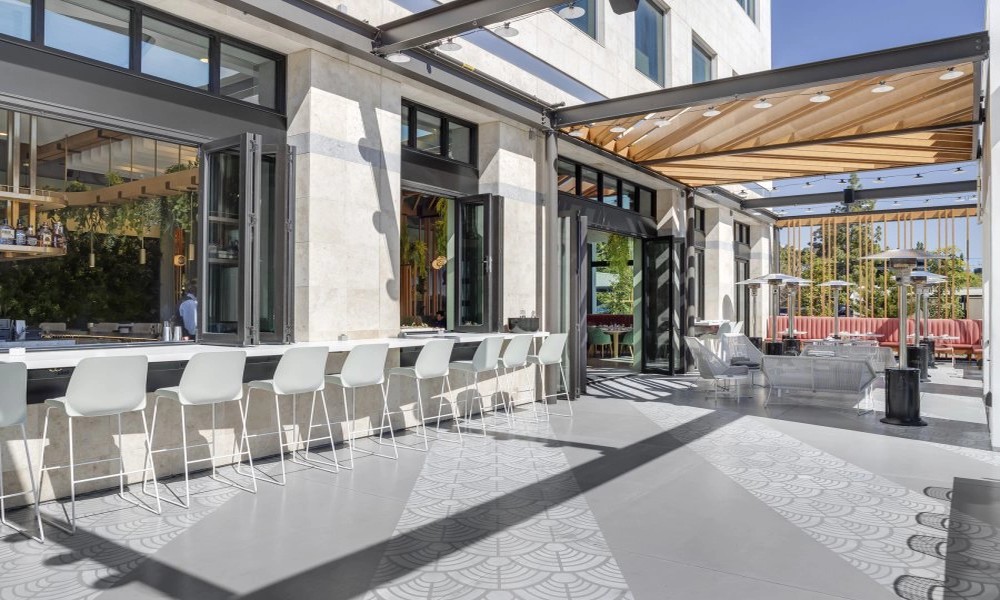

Creating harmony between a building’s interior and exterior is essential for a cohesive and appealing design. When outdoor spaces reflect the same style as the interior, the overall experience feels intentional, balanced, and visually satisfying. Whether it is a home, cafe, or restaurant, designing exterior spaces that complement interiors helps align these elements, strengthening identity and enhancing comfort. Below are practical best practices to achieve this seamless connection.
Maintain a Consistent Design Theme
The first step is to clearly define the interior style and extend it outdoors. Whether the interior follows a modern, rustic, minimalist, or traditional design, the exterior should echo similar characteristics.
For example:
- A minimalist interior pairs well with clean lines and uncluttered outdoor layouts
- A rustic interior can be complemented with natural wood, stone, and earthy tones outside
- Consistency in theme helps create a unified visual story.
Use Complementary Colour Palettes
Colours play a major role in linking indoor and outdoor spaces. The exterior does not need to replicate the interior exactly, but it should use shades that complement it.
Best practices include:
- Repeating key interior colours in outdoor furniture or décor
- Using neutral tones to bridge bold interior palettes
- Avoiding clashing colour combinations
This approach ensures a smooth visual transition between spaces.
Choose Matching Materials and Textures
Materials are a powerful way to connect design elements. Using similar or complementary materials inside and outside strengthens continuity.
Consider:
- Extending wooden flooring concepts to outdoor decking
- Using stone or brick finishes both indoors and on exterior walls
- Incorporating similar fabric textures in cushions or seating
These subtle connections make the entire space feel thoughtfully designed.
Create a Seamless Transition
A strong connection between interior and exterior spaces improves both functionality and aesthetics. Transitional elements can move spaces to feel natural.
Effective ideas include:
- Large glass doors or sliding panels
- Open patios or balconies connected to living areas
- Consistent flooring patterns that flow outward
This not only enhances visual appeal but also increases usability.
Align Furniture and Décor Styles
Outdoor furniture and décor should reflect the style used indoors. This does not mean identical pieces, but rather similar design language.
Focus on:
- Matching shapes, lines, and finishes
- Coordinating lighting fixtures and accessories
- Maintaining a similar level of formality or comfort
When furniture styles align, the entire space feels cohesive.
Pay Attention to Lighting Design
Lighting can unify spaces effectively. Using similar lighting styles indoors and outdoors creates a consistent mood and ambiance.
Examples include:
- Warm lighting for cozy, rustic themes
- Sleek, modern fixtures for contemporary designs
- Decorative lighting that mirrors indoor aesthetics
Proper lighting enhances both beauty and functionality.
Incorporate Greenery Thoughtfully
Plants and landscaping can act as a bridge between interior and exterior design. The choice of greenery should complement the indoor style.
Tips:
- Use structured plants for modern designs
- Choose lush, layered greenery for a natural look
- Add planters that match interior décor elements
Greenery adds life while maintaining design harmony.
