

Does opening size matter?
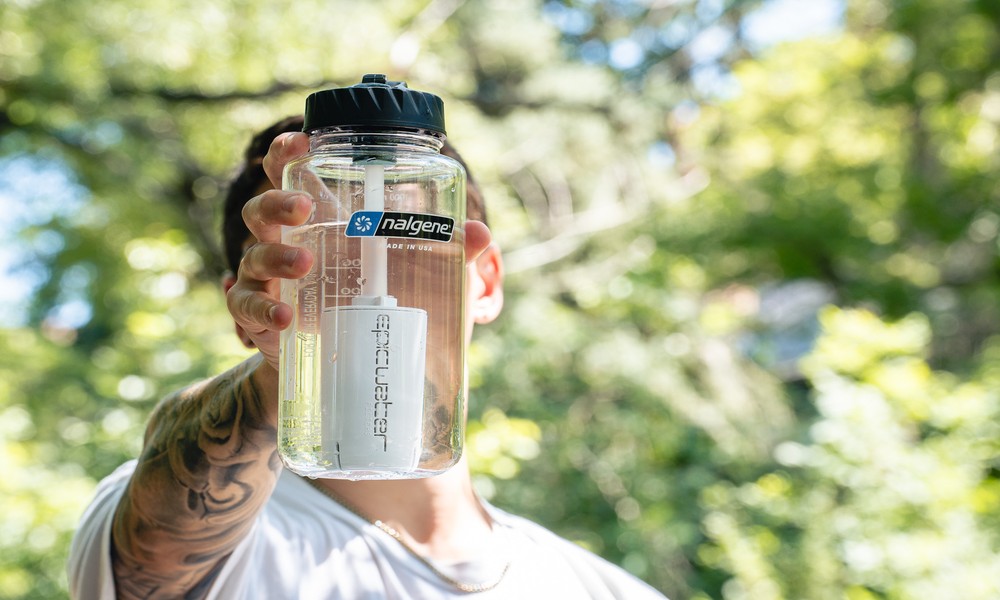
Opening size has a direct bearing on how quickly and cleanly a bottle refills under standard tap or dispenser conditions. A wider opening accepts water flow without resistance, fills in less time, and does not require precise angle adjustment to avoid overflow during the process. Narrow openings slow the fill rate, cause water to back up at the neck, and demand more attention during refilling than most daily routines accommodate. A custom Nalgene Bottle uses a wide-mouth opening that removes these friction points entirely. The opening width accepts full tap flow without restriction, reducing refill time to seconds rather than a drawn-out process. Across a full day where refilling happens multiple times, that time difference accumulates into a practical advantage. For organizations distributing branded drinkware, a bottle that refills without inconvenience stays in active use longer than one that introduces repeated frustrations during routine handling.
What slows refill frequency?
Refill frequency drops when the process demands more effort than the situation allows. Several specific design factors contribute to that slowdown directly.
- Neck width pressure
Water flow through a narrow opening creates back pressure that slows the fill rate regardless of tap pressure. Incoming water cannot clear the neck fast enough, causing overflow at the rim or forcing the user to reduce tap flow to compensate. A wide-mouth opening eliminates that back pressure, allowing water to enter and settle without resistance across all tap pressure levels.
- Angle positioning demands
Narrow openings require the bottle to be held at a precise angle during filling to catch the water stream cleanly. Wide openings remove that requirement. The bottle can be held upright under most tap and dispenser types without adjustment, which keeps the refill process quick and consistent across different water sources and environments.
Flow rate and fill time
Fill time across a full day is not a minor detail. A bottle refilled three to four times daily accumulates meaningful time differences between wide and narrow openings over the course of a week.
- Dispenser compatibility
Public fountains, outdoor taps, and large dispensers produce wide or irregular flow that misses narrow openings without careful positioning. Wide-mouth construction accepts varied flow patterns without spillage or wasted water, which makes the bottle functional across a broader range of refill sources without adaptation from the user.
- Source flexibility
A bottle that works across all refill sources stays in use through varied daily environments. Key compatibility properties that support consistent refill across settings include:
- Acceptance of wide flow from public fountains without repositioning.
- No back pressure buildup that reduces fill rate under standard tap conditions.
- Compatibility with large dispenser spouts that do not fit narrow openings cleanly.
- Reduced spillage risk in settings where surface space around the tap is limited.
When a bottle fills quickly and works across all available water sources, refill frequency stays consistent regardless of the environment.
Opening size determines refill efficiency more directly than any other design variable in daily bottle use. A wider opening cuts fill time, works across more water sources, and removes the repeated friction points that cause bottles to be carried empty through stretches of the day. These properties shape how reliably a bottle gets refilled and how consistently hydration holds across varied daily routines.
