
Choosing Construction Sound Barrier Materials: Trade-Offs Between Cost, Durability, And Setup Time

Choosing the right material for a sound barrier is rarely as straightforward as picking the “best” option on paper. In real site conditions, you are constantly balancing three things at once: cost, durability, and how quickly you can get the system installed and working. The tricky part is that improving one of these often means compromising another.
That is why material sound barrier selection matters so much. It does not just affect how well the barrier performs acoustically, but also how practical it is to use on an active site with deadlines, weather exposure, and changing conditions.
Why is material choice more than just performance?
On paper, most sound barrier materials are judged by how well they reduce noise. In reality, that is only part of the decision. A highly effective acoustic material might be too expensive for a large perimeter. A cheap option might degrade too quickly in harsh weather. A durable solution might take too long to install, delaying the entire project.
So instead of asking “which material blocks the most noise?”, the more realistic question is “which material fits the site conditions and constraints without creating new problems?”
That shift in thinking is where better decisions usually start.
High-performance materials: great results, higher cost.
At the top end, you will find specialised acoustic panels and engineered barrier systems. These are designed specifically for noise reduction, often combining dense cores with absorptive surfaces to both block and dampen sound.
They tend to perform very well, especially in demanding environments like urban construction sites or industrial facilities near residential areas.
The downside is cost. These systems are usually significantly more expensive than basic alternatives. That cost does not only come from materials, but also from manufacturing precision, transport, and sometimes specialist installation requirements.
For smaller projects or short-term works, this level of investment may not make financial sense. But for long-term infrastructure projects or sensitive locations, the performance can justify the expense.
Budget-friendly options: quick wins with limitations.
On the other end of the spectrum are simpler materials like timber hoarding, basic plywood systems, or temporary sheeting with limited acoustic properties. These are widely used because they are affordable and easy to source. They can also be installed quickly, which is a major advantage when time is tight or when sound barriers need to be adjusted frequently.
However, their acoustic performance is limited. They tend to block some direct sound but do very little to absorb or control reflections. Over time, weathering can also reduce their effectiveness, especially in outdoor environments where moisture and wind exposure are constant factors.
They work best as temporary solutions or as part of a broader system rather than a standalone noise control method.
Mid-range composite systems: the practical compromise.
A lot of real-world projects end up using composite barrier systems. These combine different layers, often including a dense core for blocking sound and a softer outer layer for absorption.
The goal here is balance. You get better acoustic performance than basic timber systems without reaching the cost of high-end engineered panels.
These materials are commonly used because they also tend to be modular. That means they can be assembled relatively quickly, adjusted on site, and reused for future projects if handled properly.
They are not the absolute best in any single category, but they often perform well across the board, which is exactly what many sites need.
Durability: the factor that quietly drives long-term cost.
Durability is often underestimated at the planning stage. A cheaper material might look attractive initially, but if it degrades quickly, warps, or requires frequent replacement, the long-term cost can exceed a more robust option.
Weather resistance is a major consideration. In outdoor sites, barriers are exposed to rain, wind, UV light, and temperature changes. Materials that are not designed for these conditions can lose structural integrity or acoustic performance surprisingly quickly.
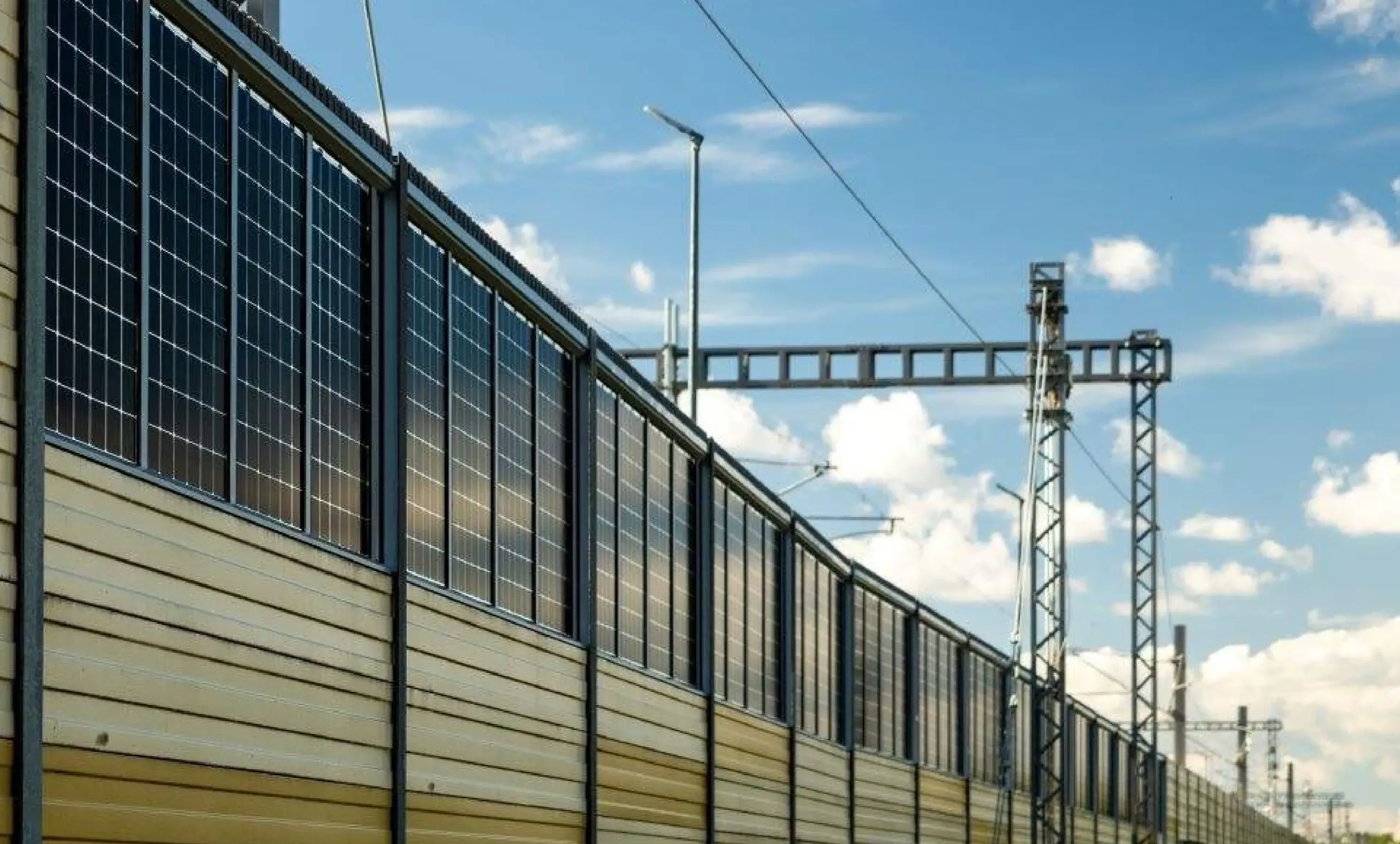
Metal-framed systems with treated infill panels tend to perform better in this regard. They are more resistant to warping and can withstand repeated handling and relocation, which is important for sites that evolve over time.
Durability is not just about lifespan either. It also affects consistency. A barrier that degrades unevenly will not perform predictably, which can create compliance issues or complaints.
Setup time: when speed changes everything.
On active sites, installation speed is often just as important as performance. A perfect acoustic solution is not useful if it takes too long to deploy and disrupts ongoing work.
Lightweight materials are easier to handle and quicker to install, especially when no heavy lifting equipment is required. Modular systems that click or bolt together on site can significantly reduce setup time compared to traditional construction methods.
However, faster installation sometimes means lighter construction, which can affect both durability and acoustic performance. This is where planning becomes important, especially when timelines are tight.
There is often a trade-off between “fast to install” and “long-term stability”, and the right balance depends on how long the barrier needs to remain in place.
Transport and handling: the hidden part of the equation.
It is easy to focus on the material itself and forget how it gets to site and how it is handled once it arrives.
Heavy, high-density acoustic panels often require specialist transport and lifting equipment. That adds cost and coordination complexity.
Lighter systems are easier to move and store but may need more careful assembly or additional bracing to maintain performance.
On large projects, logistics can become a deciding factor. Even if a material performs well acoustically, it may not be practical if it creates delays in delivery or requires resources that are not readily available on site.
Finding the right balance for real conditions.
There is no single “best” barrier material, only the most suitable one for a specific situation. A long-term infrastructure project near residential housing will justify a very different choice compared to a short-term commercial build in an open industrial area.
In most cases, the decision comes down to balancing three pressures:
Cost determines what is feasible within budget limits.
Durability determines how long the solution will remain effective.
Setup time determines how quickly the site can respond to noise issues without slowing progress.
When those three factors are weighed properly, the most practical solution usually becomes clear, even if it is not the most impressive on paper.
Bringing It Together
Choosing barrier materials is less about finding the strongest acoustic performer and more about understanding how the material behaves in real site conditions. A high-cost system that performs brilliantly but is too slow to install may not be useful. A cheap system that installs quickly but fails after a few months can create more problems than it solves.
The most effective choices tend to sit somewhere in the middle, where performance is reliable, installation is manageable, and long-term costs stay under control.
Once you approach material selection this way, sound barriers stop being a one-dimensional product and become part of a broader, more practical noise control strategy that actually works in the field.
