
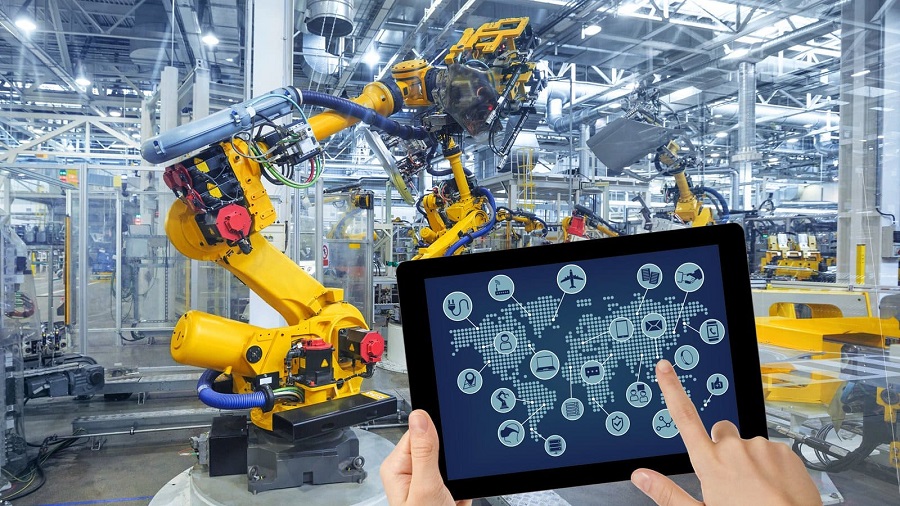

Modern industrial environments depend on carefully coordinated processes to transform raw materials into finished products efficiently and safely. Whether in manufacturing, energy production, food processing, pharmaceuticals, or water treatment, operational success hinges on precision, reliability, and adaptability. Industrial process solutions encompass the technologies, engineering expertise, and strategic systems that help organisations refine, control, and improve these complex workflows.
At the core of industrial process solutions is optimisation. Many facilities operate with legacy systems that were implemented years or even decades ago. While functional, these systems may not deliver the efficiency, data visibility, or flexibility required in today’s competitive environment. Process solution providers evaluate existing operations, identify inefficiencies, and recommend improvements that align with production goals and regulatory standards.
Automation is often a central component. Programmable logic controllers (PLCs), distributed control systems (DCS), and supervisory control and data acquisition (SCADA) platforms enable real-time monitoring and adjustment of production parameters. By automating repetitive or sensitive tasks, facilities reduce human error and enhance consistency. Automated control systems also allow rapid responses to fluctuations in demand, raw material quality, or environmental conditions.
Data integration has transformed the way industrial processes are managed. Sensors embedded within equipment collect continuous streams of information about temperature, pressure, flow rate, vibration, and energy consumption. Industrial process solutions harness this data through analytics platforms that convert raw numbers into actionable insights. Operators can detect deviations early, predict maintenance needs, and adjust production schedules to maximise efficiency.
Predictive maintenance is one of the most impactful outcomes of modern process optimisation. Rather than waiting for equipment to fail, facilities use historical and real-time data to anticipate component wear or malfunction. Scheduled interventions prevent costly downtime and extend asset lifespan. This proactive approach not only reduces repair expenses but also safeguards production continuity.
Energy management is another critical focus area. Industrial operations often consume significant power, and even minor inefficiencies can accumulate into substantial costs. Process solutions may include energy monitoring systems, load balancing strategies, and integration of renewable energy sources where feasible. By improving energy efficiency, organisations lower operating costs and move closer to sustainability objectives.
Safety and compliance remain fundamental priorities. Industrial process solutions incorporate safeguards such as automated shutdown systems, alarm protocols, and hazard detection technologies. Regulatory requirements in sectors such as chemicals, pharmaceuticals, and food production demand precise documentation and traceability. Integrated systems help ensure that quality standards are maintained while providing auditable records for inspections.
Customisation distinguishes effective industrial process solutions from generic implementations. Each facility has unique equipment configurations, output targets, and environmental constraints. Engineering teams collaborate with operational staff to design systems that fit seamlessly into existing workflows while enabling future scalability. This tailored approach minimises disruption during implementation and maximises long-term benefit.
Project execution typically involves several stages: assessment, design, simulation, installation, commissioning, and training. During commissioning, systems are rigorously tested under real-world conditions to verify performance. Training programmes ensure that employees understand both operational functions and troubleshooting procedures, building confidence and competence in daily use.
Digital transformation continues to shape industrial process solutions. Cloud-based platforms, remote monitoring capabilities, and advanced analytics tools allow managers to oversee operations from virtually anywhere. This connectivity supports faster decision-making and enhances coordination across multiple sites.
As industries face increasing pressure to improve output, reduce waste, and maintain strict quality standards, the importance of structured process improvement grows. Industrial process solutions provide the framework through which organisations can modernise operations without sacrificing stability. By integrating automation, data intelligence, and safety mechanisms into cohesive systems, these solutions transform complex industrial environments into streamlined, resilient operations prepared for future demands.
