
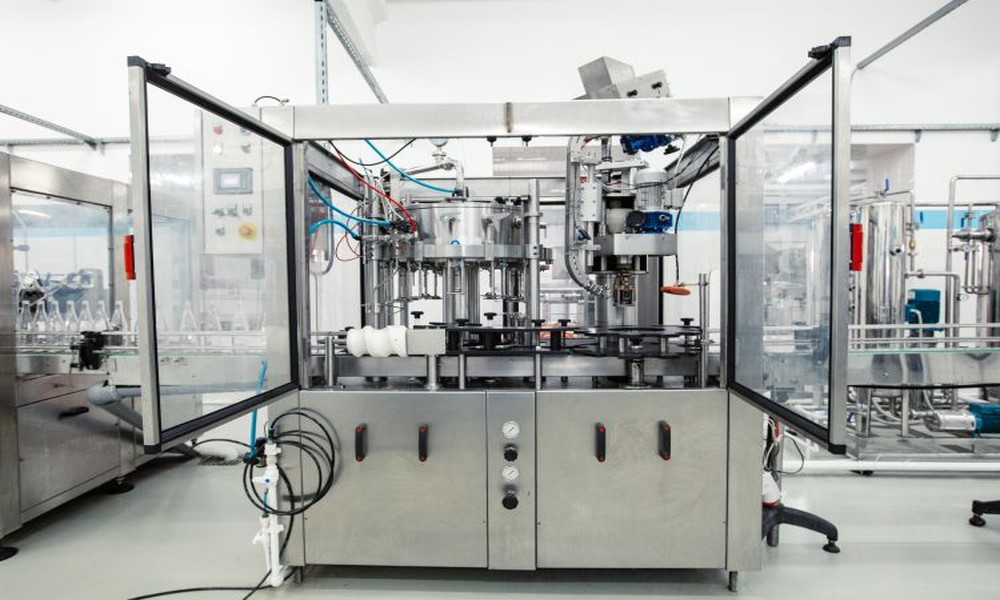

Choosing the right liquid filling equipment singapore determines how efficiently a production line operates and how consistently it delivers quality output. The selection process is not merely about finding a machine that fills containers – it is about finding equipment that integrates with existing processes, handles specific product characteristics, and scales with future growth. This guide outlines the practical considerations that lead to sound equipment decisions.
Defining Your Filling Requirements
Every successful equipment selection begins with a thorough understanding of the operation it must serve. Before approaching any supplier, manufacturers should document the following:
- Product characteristics – Viscosity, temperature sensitivity, foaming tendency, particulate content, and chemical compatibility all influence which filling method is appropriate.
- Container specifications – The range of container types, sizes, and materials the line must handle. Will the system fill glass bottles, plastic containers, metal cans, or a combination?
- Target throughput – The required output in units per minute or litres per hour, accounting for both current demand and projected growth over the next three to five years.
- Changeover frequency – How often the line switches between products or container sizes. Operations with frequent changeovers need equipment designed for rapid transitions.
- Regulatory requirements – Food, pharmaceutical, and chemical products each have distinct compliance standards that affect material selection, documentation, and validation procedures.
Skipping this preparatory work leads to compromised choices. A machine that handles the product beautifully but cannot accommodate the container range, or fills at the right speed but lacks the necessary certifications, creates problems that are expensive to resolve after purchase.
Efficiency Factors That Matter Most
Efficiency in a filling operation extends well beyond speed. While throughput is important, several other factors contribute to overall equipment effectiveness.
Uptime is the single most influential variable. A machine rated at 300 fills per minute but experiencing 20 per cent downtime produces less than one rated at 250 fills per minute with 98 per cent uptime. Reliability – built through quality components, robust engineering, and disciplined maintenance – matters more than headline speed.
Product waste represents both lost revenue and disposal costs. Precision filling minimises overfill, which is the most common form of waste in liquid operations. Even a small overfill of two millilitres per container accumulates into tonnes of lost product over a year of production. Automated dispensing systems with tight volumetric control pay for themselves through waste reduction alone.
Changeover time directly affects how much productive time the line spends actually filling. Equipment designed with tool-free format changes, stored recipes, and quick-release connections converts more of each shift into output rather than setup.
Energy consumption is an increasingly significant cost factor. Variable-frequency drives on pumps and conveyors, energy-efficient motors, and intelligent standby modes all contribute to lower utility bills without sacrificing performance.
“We tracked our total cost per filled unit before and after upgrading our equipment,” said Mr Ahmad Bin Hassan, an engineering manager at a flavourings manufacturer in Tuas. “The new line reduced our per-unit cost by 22 per cent, mostly through better uptime and lower waste.”
Matching Technology to Product Type
The wrong filling technology for a given product does not merely underperform – it creates quality problems. Thin liquids filled with piston systems may suffer from excessive dripping. Thick pastes forced through gravity fillers produce inconsistent volumes and slow cycle times. The match between technology and product must be deliberate.
For water-thin liquids, gravity or overflow fillers provide the simplest and most reliable solution. For medium-viscosity products such as sauces and oils, gear pump or servo-piston fillers deliver the necessary control. For highly viscous materials – thick creams, adhesives, or paste products – positive displacement piston fillers with heated hoppers ensure consistent flow.
Products with particulates, such as salad dressings with herb pieces or industrial compounds with suspended solids, require precision filling machinery with large-bore pathways and gentle pumping mechanisms that move solids without crushing or separating them.
Integration with the Production Line
A filling machine does not operate in isolation. Its performance depends on seamless integration with upstream and downstream equipment. Rinsers, conveyors, cappers, labellers, and case packers must all communicate and synchronise.
The most efficient installations use a common control platform – typically a programmable logic controller network with a central human-machine interface. This architecture allows operators to monitor and adjust the entire line from a single point, reducing the complexity of managing multiple independent systems.
Conveyor design deserves particular attention. The speed, spacing, and material of conveyor belts or chains must match the filling station’s cycle rate. Accumulation zones between stations buffer minor speed variations, preventing cascading stoppages when one machine pauses briefly.
Supplier Evaluation Criteria
Selecting a supplier is as important as selecting a machine. The ideal vendor offers:
Technical consultation
A willingness to visit the production site, assess requirements in person, and recommend solutions based on evidence rather than catalogue specifications.
Customisation capability
The ability to modify standard machines to suit specific requirements, whether that involves non-standard container sizes, unusual product properties, or space constraints.
After-sales service
A local service team with trained engineers, a spare parts warehouse, and defined response times for emergency callouts.
References and track record
Verifiable installations in similar industries, ideally within Singapore, that demonstrate proven performance.
Planning for Future Growth
The best equipment purchase accounts not only for today’s needs but also for tomorrow’s opportunities. A beverage filling machinery installation that can accommodate additional filling heads, higher-speed drives, or new container formats protects the investment against changing market demands.
Modular designs, scalable control systems, and generous utility connections all contribute to future-proofing. The marginal cost of building in expansion capability at the point of purchase is far lower than retrofitting later.
Making Efficiency a Competitive Advantage
In Singapore’s competitive manufacturing landscape, efficiency is not optional – it is the difference between profitability and loss. For operations seeking to maximise their output while minimising waste and cost, liquid filling equipment singapore offers the technology and engineering depth to make efficiency a genuine competitive advantage.
