
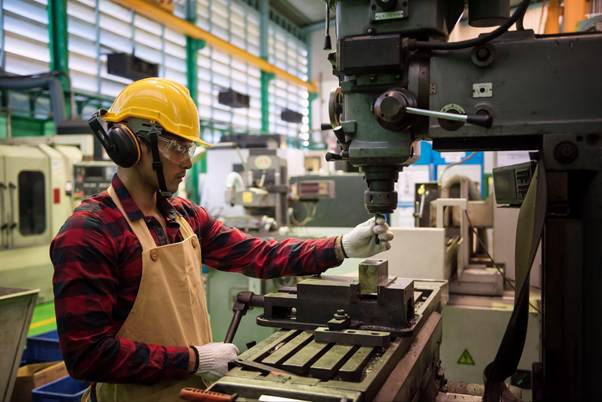

The manufacturing sector is one of the city-state’s economic pillars, with precision engineering in Singapore playing a central role in supporting industries such as aerospace, semiconductors, marine, and medical technology. However, rising material costs have created significant challenges for local firms, particularly those that rely heavily on CNC machining to deliver high-quality components.
Explore the impact of these cost pressures and learn how the industry is adapting to maintain competitiveness.
Material Cost Pressures on Precision Engineering
One of the most pressing issues for precision engineering companies is the volatility of raw material prices. Metals such as aluminium, stainless steel, and titanium are key inputs in CNC machining, and fluctuations in global commodity markets directly influence production costs. These increases reduce profit margins and complicate project bidding, particularly in the city-state, where firms already face high labour and operational expenses. Many businesses struggle to balance competitive pricing with the need to absorb higher material costs, leaving SMEs particularly vulnerable.
Effects on CNC Machining Operations
CNC machining requires consistency, accuracy, and the ability to work with advanced materials to meet strict tolerances. Once material prices rise, companies often attempt to substitute with more cost-effective options. However, such substitutions are not always feasible, especially in industries like aerospace or medical device manufacturing, where regulatory standards demand specific grades of materials. Due to this, machining firms are left with little choice but to bear the higher expenses, often at the expense of overall profitability.
Strain on SMEs and Supply Chains
Large multinational corporations may have the scale to negotiate better supplier contracts, but small and medium enterprises in precision engineering face a harsher environment. Many SMEs serve as subcontractors, providing highly specialised machining services for larger firms. Rising costs weaken their competitiveness in both local and regional markets, potentially leading to reduced contract opportunities. Furthermore, these pressures ripple through the supply chain, affecting timelines and the cost structure of final products delivered to end industries.
Adoption of Technology to Offset Rising Costs
Many companies, in response to cost challenges, are investing in automation and digitalisation to enhance productivity. Advanced CNC machining systems, coupled with real-time monitoring and predictive maintenance, help reduce waste and improve machine efficiency. Digital twin technologies and precision simulation tools allow engineers to optimise designs before actual machining begins, minimising material wastage. While such investments require upfront capital, they offer long-term cost savings and improved resilience against fluctuating raw material expenses.
Workforce and Skills Adaptation
Another approach to mitigating rising costs lies in workforce optimisation. Firms engaged in precision engineering are increasingly focusing on skills upgrading to maximise efficiency. Skilled machinists and engineers who can programme multi-axis CNC machines, manage toolpath strategies, and troubleshoot production issues reduce downtime and material waste. Companies, through Workforce Skills Qualifications (WSQ) programmes and collaborations with polytechnics, are building a stronger pipeline of talent equipped to handle advanced machining technologies.
Moving Towards Sustainable Practices
Sustainability also plays a role in addressing cost challenges. Recycling of machining scraps, adopting lean manufacturing techniques, and reusing coolant systems are becoming typical practices to reduce operational costs. Aligning cost efficiency with sustainability standards can also provide an edge in meeting international procurement requirements.
Conclusion
The rising cost of raw materials presents a serious challenge for precision engineering in Singapore, particularly for SMEs dependent on CNC machining. While the situation strains profitability and competitiveness, it also drives innovation and adaptation across the industry. Local precision engineering firms can maintain their position as reliable contributors to high-value manufacturing sectors by investing in advanced technologies, enhancing workforce capabilities, and embracing sustainable practices. Addressing these challenges proactively is key to safeguarding long-term growth and resilience.
Contact Disk Precision Group for advanced CNC machining solutions in the city-state that prioritise precision, efficiency, and sustainability.
